Explore Montenegro Destinations

Discover Montenegro through its cities, coast, mountains, lakes and local experiences.

Independent guide · Direct local contacts · Commission-free partner access

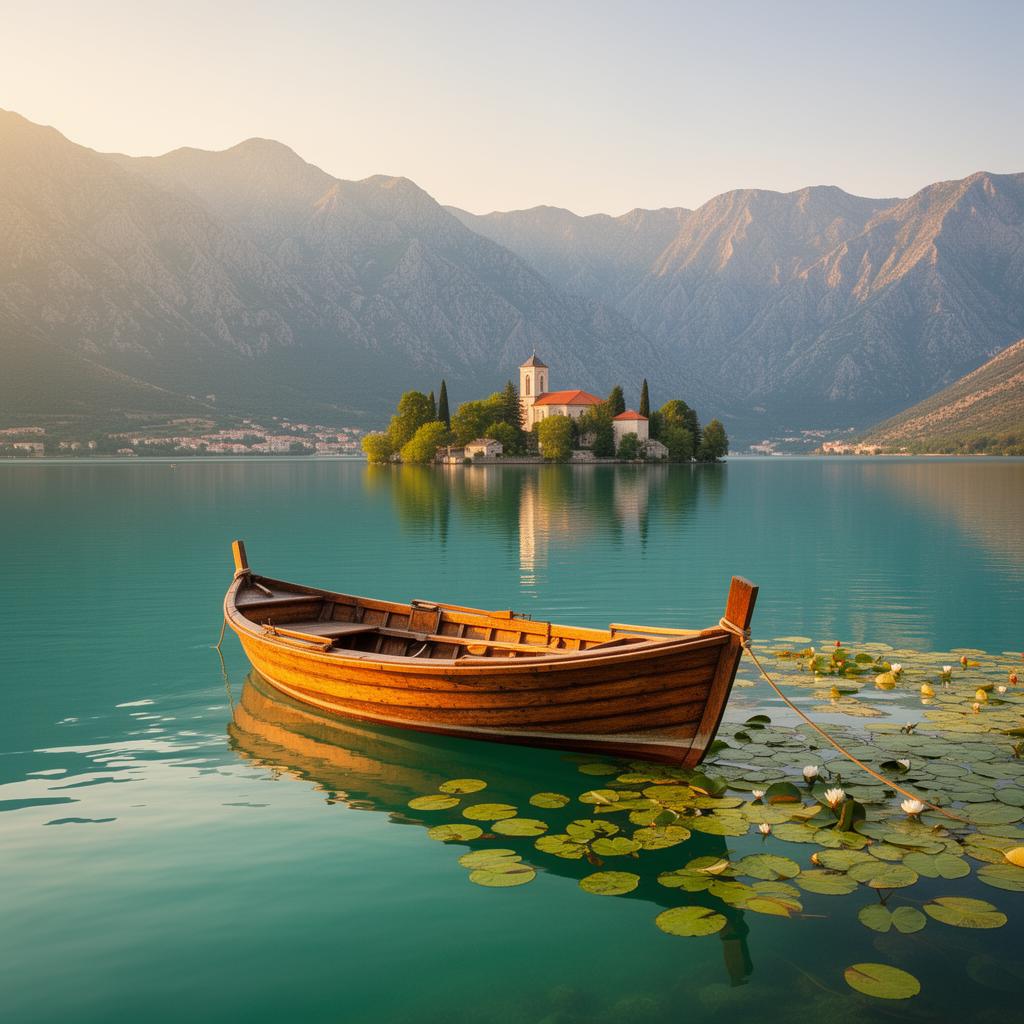
Montenegro is a compact country of extraordinary contrasts — where the deep blue Adriatic coast meets towering mountain peaks within a drive of under two hours. From the UNESCO-listed Bay of Kotor to the wild peaks of Durmitor National Park, from the vibrant capital Podgorica to the tranquil shores of Skadar Lake, every Montenegro destination offers a distinct character. This guide connects you directly with local businesses, tour operators, restaurants, rental services, and travel professionals across every corner of the country.

Best Destinations in Montenegro

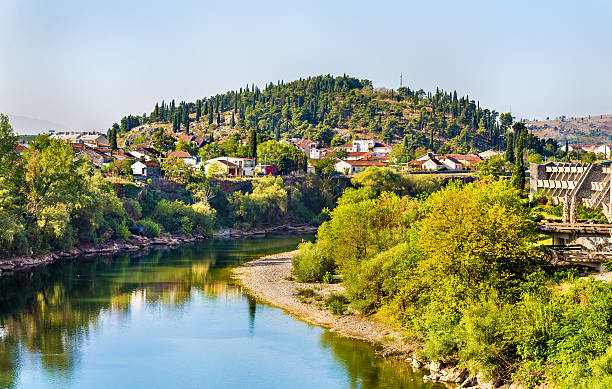
Podgorica — Montenegro
Capital City

Podgorica

Montenegro's vibrant capital blends modern energy with Ottoman and Austro-Hungarian heritage. A gateway to nature, culture, and authentic Montenegrin life.

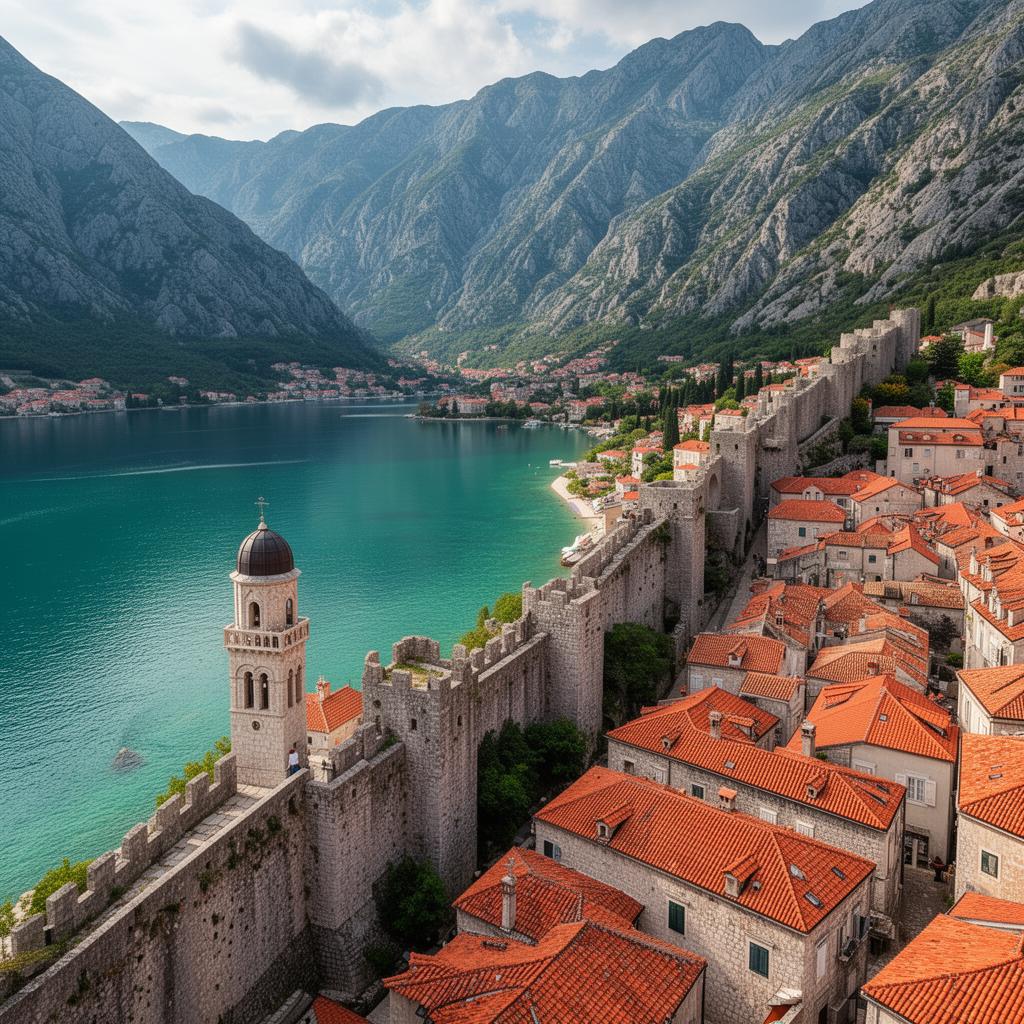
Kotor — Montenegro
UNESCO Bay

Kotor

A UNESCO World Heritage jewel nestled in a dramatic bay. Medieval walls, Venetian architecture, and the stunning Bay of Kotor create an unforgettable destination.

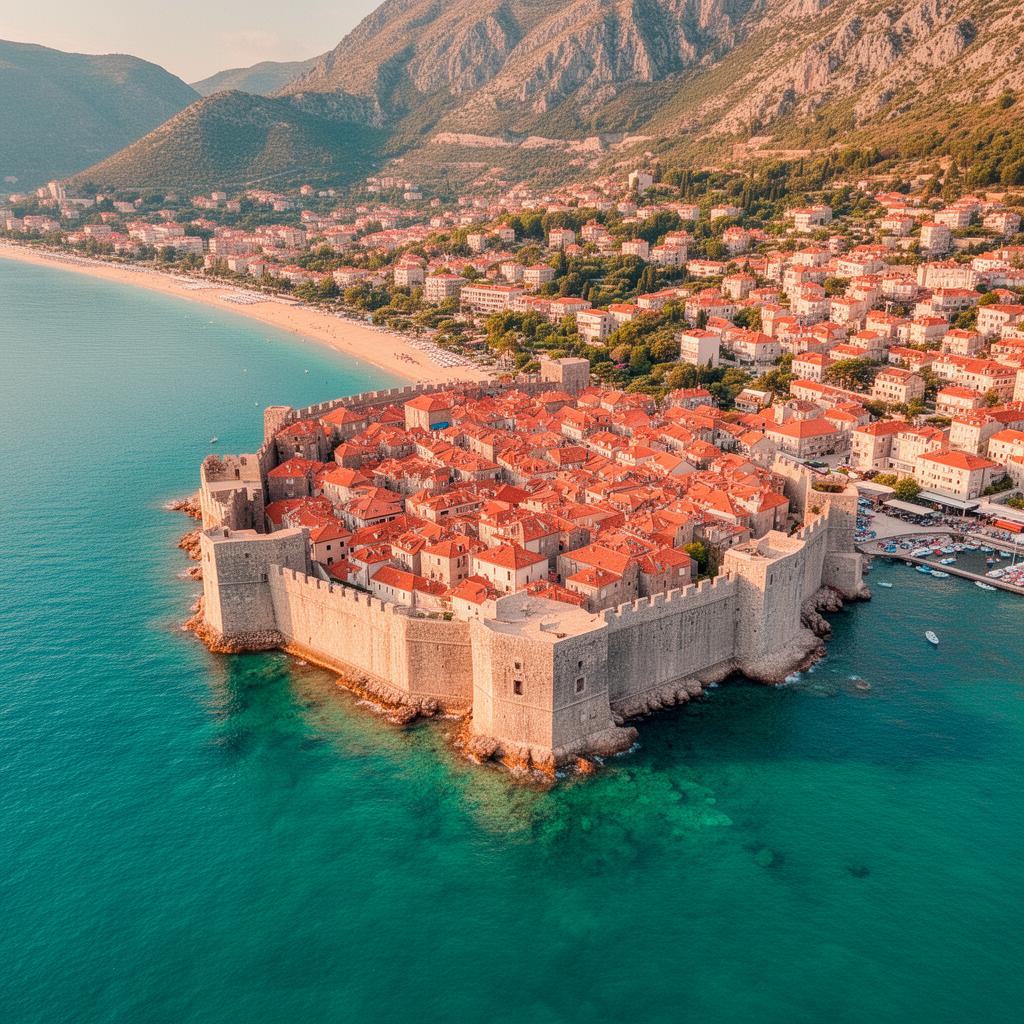
Budva — Montenegro
Riviera Coast

Budva

The pearl of the Montenegrin Riviera. Ancient walled city, stunning beaches, vibrant nightlife, and a Mediterranean atmosphere that captivates every visitor.

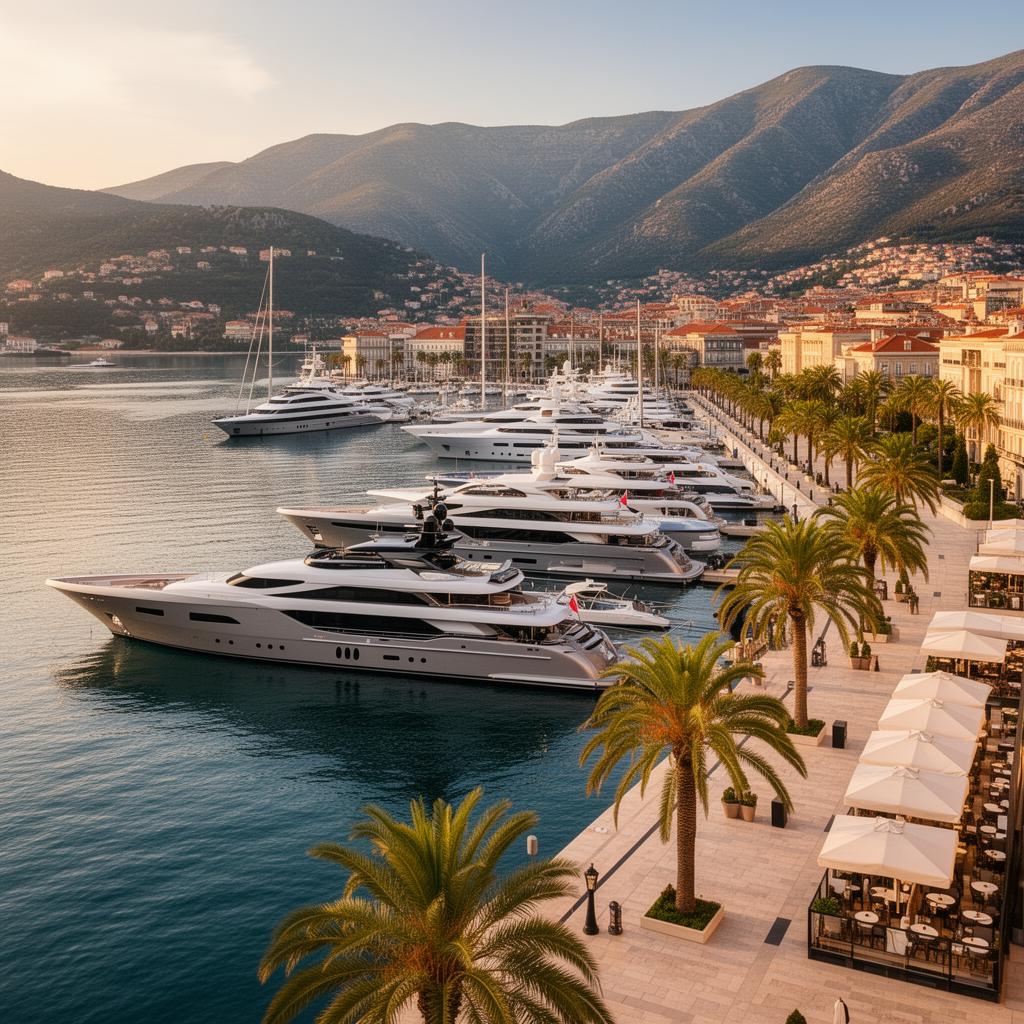
Tivat — Montenegro
Luxury Marina

Tivat

Home to Porto Montenegro, a world-class marina and luxury lifestyle destination. Modern glamour meets Adriatic tradition in this emerging riviera hotspot.

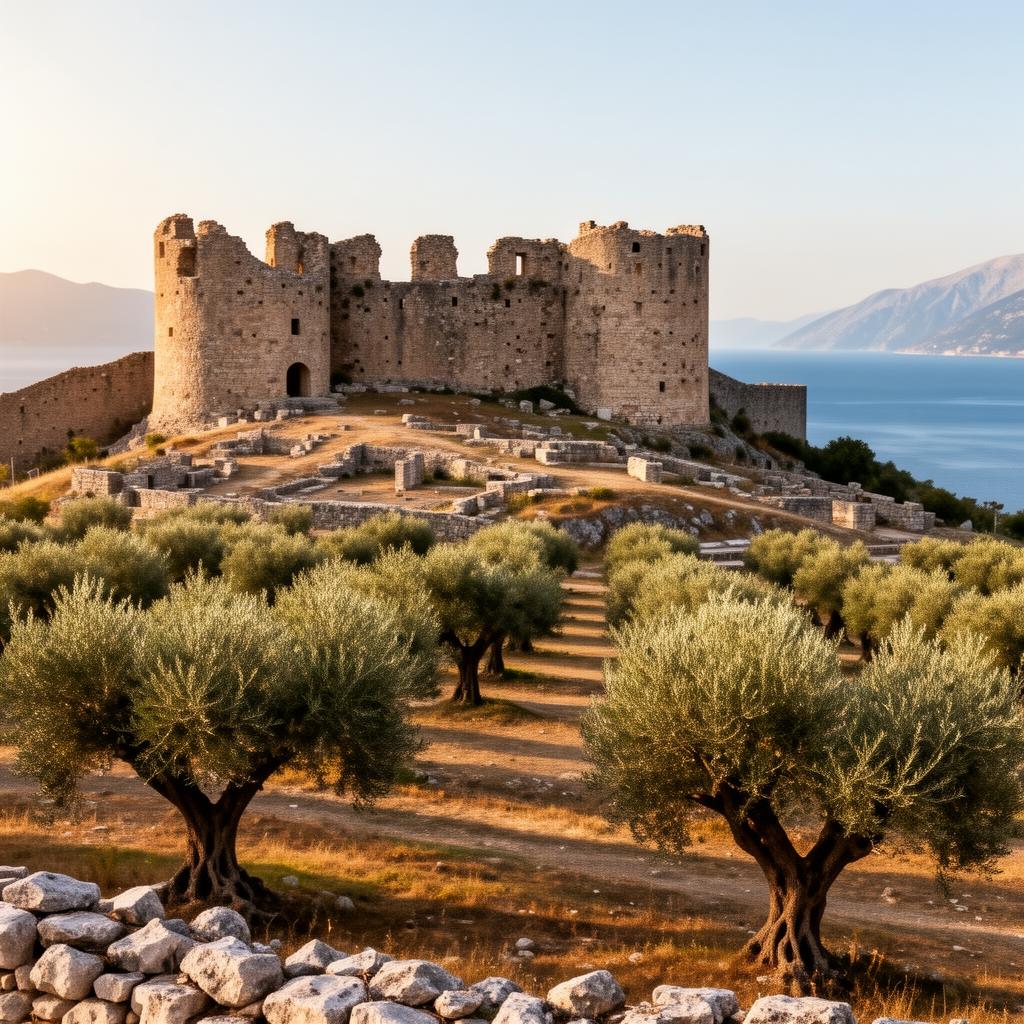
Bar — Montenegro
Southern Coast

Bar

A coastal city with a rich blend of cultures, ancient ruins of Stari Bar, and the gateway to Montenegro by sea. Olive groves and Mediterranean spirit define this destination.

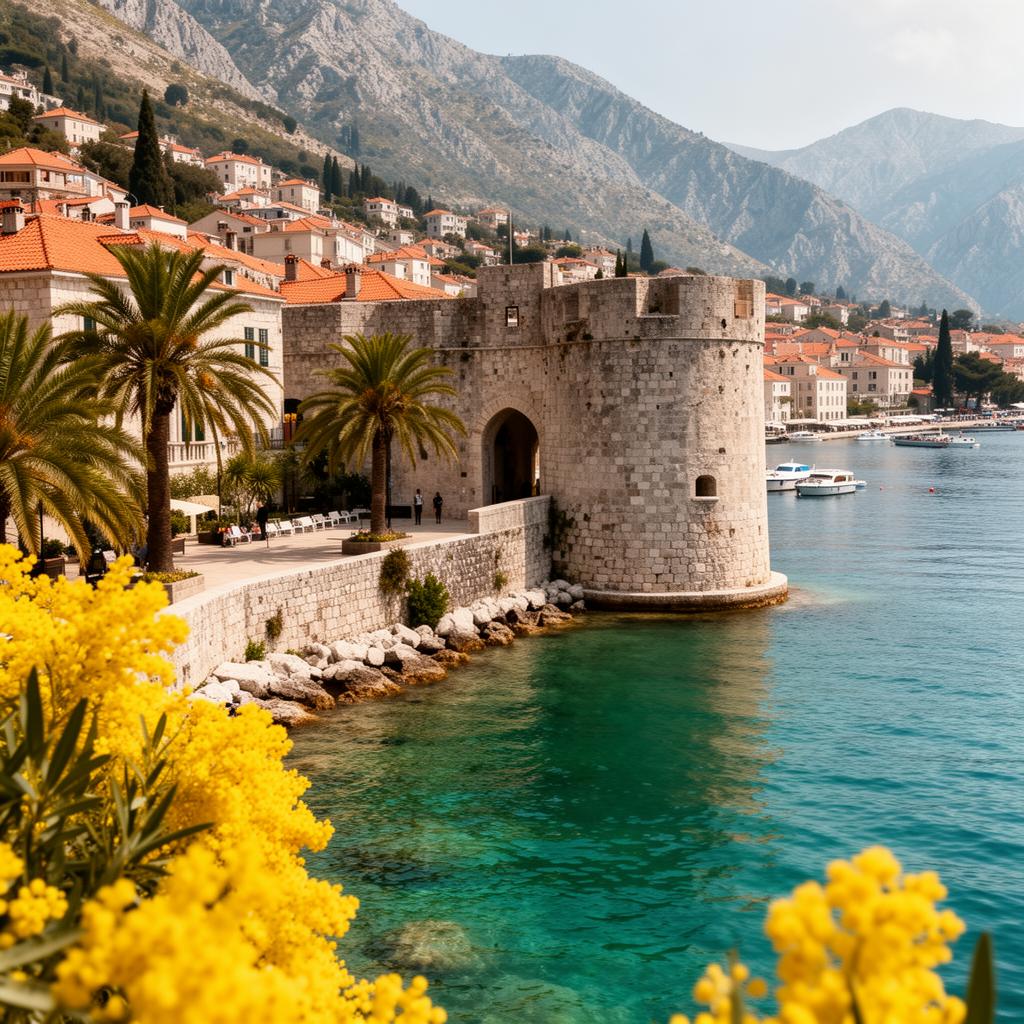
Herceg Novi — Montenegro
Bay Entrance

Herceg Novi

The city of sun and mimosas at the entrance to the Bay of Kotor. Botanical gardens, ancient fortresses, and a charming Mediterranean atmosphere await.

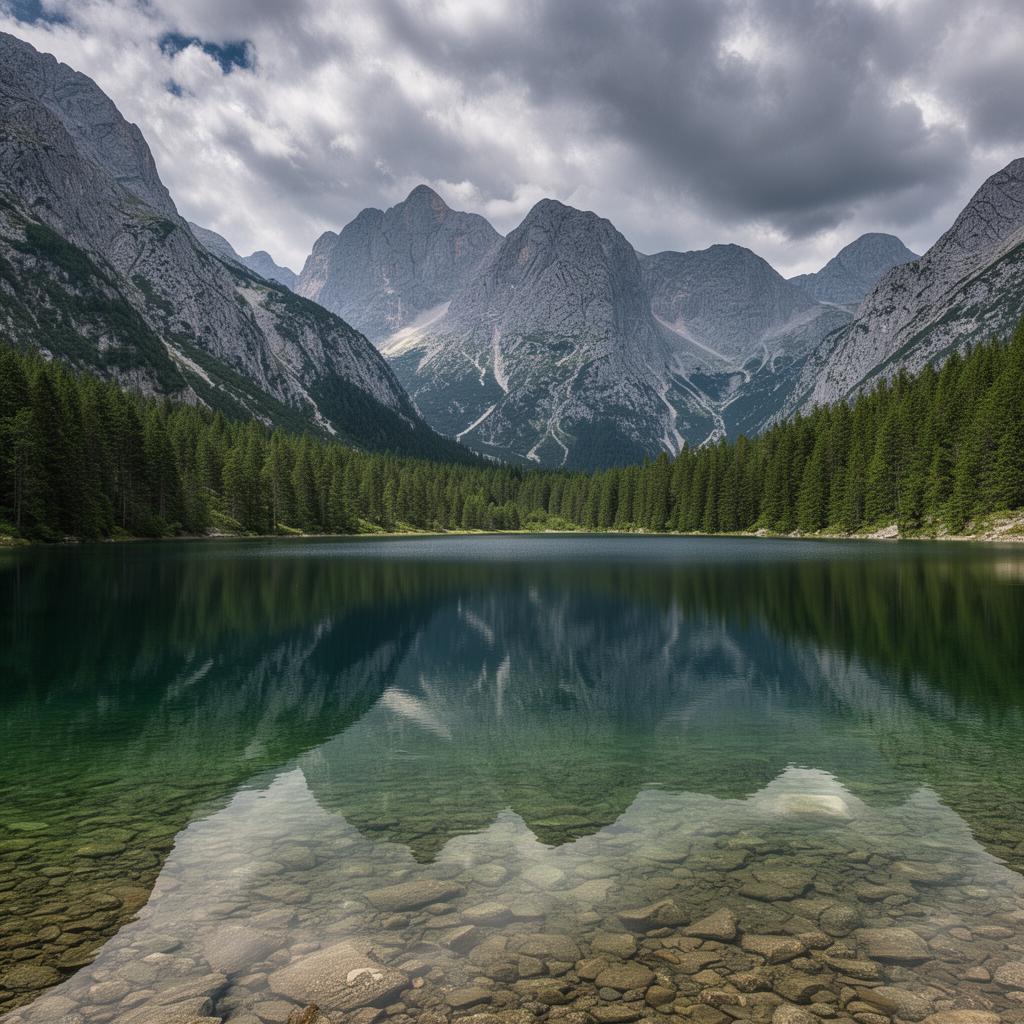
Durmitor — Montenegro
National Park

Durmitor

A UNESCO-protected national park of towering peaks, glacial lakes, and the dramatic Tara River Canyon — Europe's deepest. Adventure and pristine nature at its finest.

Skadar Lake — Montenegro
Nature Reserve

Skadar Lake

The largest lake in the Balkans, a paradise for birdwatchers and nature lovers. Ancient monasteries, pristine waters, and world-class wines define this tranquil escape.

PodgoricaTravel Guide

Podgorica, Montenegro's capital and largest city, is often overlooked by tourists heading straight to the coast — but savvy travelers know it as the country's most authentic urban experience. With approximately 200,000 residents, it's a compact, walkable city that serves as the cultural, economic, and administrative heart of Montenegro.

The city straddles the confluence of the Ribnica and Morača rivers, creating a landscape of bridges, parks, and waterside promenades. The iconic Millennium Bridge, a cable-stayed modern landmark, has become the symbol of Podgorica's post-independence renaissance. Walking across it at sunset, with the Morača river gleaming below and the mountains turning pink in the distance, is one of the city's defining moments.

Stara Varoš, the Ottoman-era old quarter, is a labyrinth of narrow streets, traditional houses, and the 15th-century clocktower (Sahat Kula). The area has been beautifully restored and now hosts some of the city's best kafanas and traditional restaurants. Nearby, the ruins of the medieval Nemanjić dynasty fortress overlook the river — a quiet, atmospheric spot rarely visited by tourists.

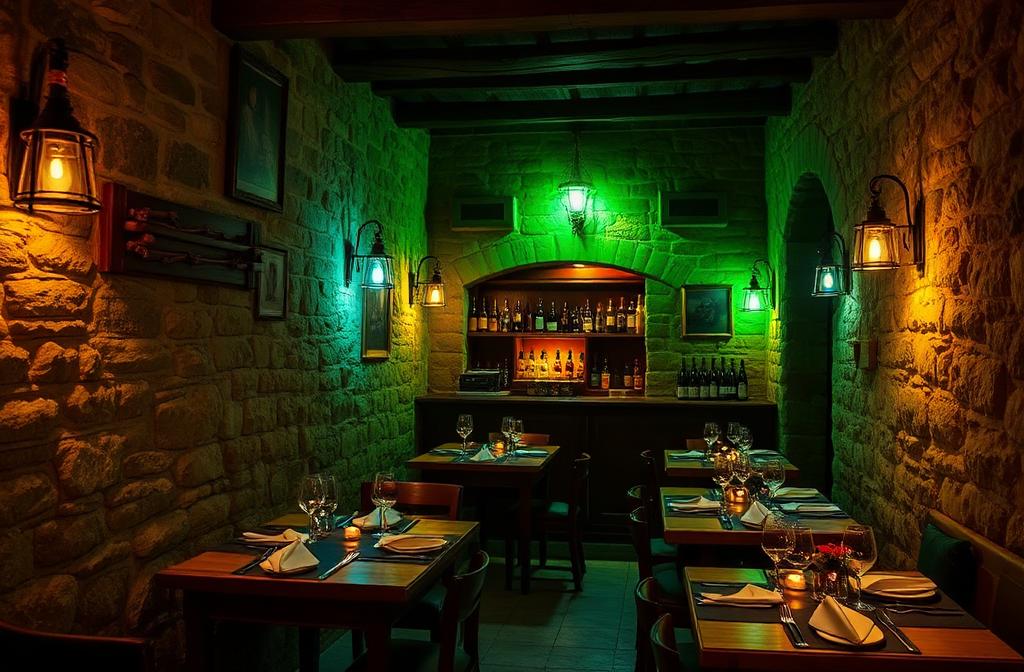
Podgorica's food scene is arguably Montenegro's best. The city is home to acclaimed restaurants serving both traditional Montenegrin cuisine and modern Mediterranean dishes. The wine culture is exceptional — the nearby Plantaže estate, just 15 minutes from the city center, produces the famous Vranac red wine and offers outstanding vineyard tours.

For day trips, Podgorica is perfectly positioned: Skadar Lake is 30 minutes south, the Morača Canyon is an hour north along one of Europe's most scenic drives, and the coast is just 45 minutes away via the highway to Bar.

Things to Do

  • Visit Millennium Bridge
  • Explore the Old Town (Stara Varoš)
  • Wine tasting at Plantaže
  • Day trip to Skadar Lake
  • Visit the Cathedral of the Resurrection
Best For

Food

Top Experiences by Destination

Plantaže vineyard tour & tastingWalking food tour in Stara VarošMorača canyon day tripSkadar Lake sunset cruise

KotorTravel Guide

Kotor is Montenegro's crown jewel — a UNESCO World Heritage city that rises from the shores of Europe's southernmost fjord. The Bay of Kotor (Boka Kotorska) is one of the most dramatic natural harbors in the Mediterranean, a serpentine inlet surrounded by mountains that plunge nearly 1,500 meters into mirror-still waters.

The Old Town is a perfectly preserved medieval labyrinth enclosed by 4.5 km of defensive walls that date from the 9th to the 18th century. Enter through the main Sea Gate (Vrata od Mora), built in 1555, and you're immediately transported into a world of Venetian palaces, Romanesque churches, and intimate piazzas where cats lounge on warm stone and the sound of church bells echoes off ancient walls.

The climb to the Fortress of San Giovanni (St. John) is Kotor's signature experience. The 1,350 steps take you along the medieval ramparts to 280 meters above sea level, offering what many consider the most spectacular panorama in the Balkans — the entire bay spread below, cruise ships looking like toys, and the terracotta rooftops of the Old Town forming a perfect medieval mosaic.

Just 12 km from Kotor, Perast is a frozen-in-time Baroque village that was once the wealthiest settlement in the bay. Its crown jewel is Our Lady of the Rocks (Gospa od Škrpjela), an artificial island created by local sailors over centuries by sinking ships loaded with stones. The tiny church on the island contains a remarkable collection of votive silver tablets and a painting said to have been woven by a woman over 25 years while waiting for her sailor husband.

Kotor's food scene centers on fresh Adriatic seafood and local specialties. Black risotto (crni rižoto), grilled fresh fish, and Dalmatian-style octopus peka are staples.

Things to Do

  • Climb the fortress walls to San Giovanni
  • Explore the medieval Old Town
  • Take a Bay of Kotor boat tour
  • Visit the Maritime Museum
  • Day trip to Perast and Our Lady of the Rocks

Best For

CoastToursNature

Top Experiences by Destination

Guided Old Town walking tourSunset kayaking in the bayWine tasting in Boka villagesPhotography tour of the bay

BudvaTravel Guide

Budva is undeniably the jewel of the Montenegrin Riviera and one of the oldest settlements on the Adriatic coast, with a history spanning over 2,500 years. The Old Town is a fortified peninsula surrounded by 15th-century Venetian walls. The beaches are legendary, and the nightlife is unique.

Mogren Beach, just a short walk through a dramatic cliff-side tunnel from the Old Town, offers stunning swimming in crystal-clear water backed by towering cliffs. Jaz Beach, 2.5 km west, is a spacious sandy beach that has hosted international music festivals. Bečići, just south, consistently ranks among Europe's best beaches.

Sveti Stefan, the iconic island-hotel visible from Budva's promenades, is Montenegro's most photographed landmark.

Things to Do

  • Walk the Budva Old Town walls
  • Relax on Mogren Beach
  • Visit Sveti Stefan viewpoint
  • Explore Jaz Beach
  • Experience Top Hill nightclub

Best For

CoastToursFood

Top Experiences by Destination

Beach hopping boat tourOld Town sunset walking tourSveti Stefan photo excursionWine & seafood tasting cruise

TivatTravel Guide

Tivat has undergone one of the most remarkable transformations in Mediterranean travel. Once a quiet naval town, it has emerged as Montenegro's premier luxury destination, anchored by the world-class Porto Montenegro marina — a superyacht haven that has drawn comparisons to Monaco and Saint-Tropez. Yet beneath the polished veneer of designer boutiques and waterfront fine dining, Tivat retains an authentic Montenegrin soul that makes it far more accessible and welcoming than its glamorous reputation suggests.

Porto Montenegro is the centerpiece of Tivat's renaissance. This stunning marina complex can berth over 450 vessels, including superyachts exceeding 250 meters. The surrounding village features luxury brand boutiques, gourmet restaurants, a beach club, spa facilities, and the fascinating Naval Heritage Collection — a museum housed in a beautifully restored Austro-Hungarian naval arsenal that tells the story of the region's maritime history. The atmosphere is cosmopolitan yet relaxed, with residents and visitors mingling in waterfront cafés and sunset cocktail bars.

Beyond the marina, Tivat offers beaches that rival any on the Adriatic. Plavi Horizonti (Blue Horizons) is a sandy family-friendly beach set in a sheltered bay surrounded by pine and olive groves — the water here is exceptionally clean and calm, making it perfect for children. Donja Lastva, a charming fishing village within walking distance of Porto Montenegro, offers a taste of pre-tourism Tivat with its stone houses, quiet beaches, and family-run seafood restaurants.

Tivat's location is unbeatable for exploring the Bay of Kotor. The city sits at the narrowest point of the bay, with Kotor just 20 minutes away by car and the Luštica Peninsula — home to hidden coves, olive groves, and the emerging Luštica Bay resort — easily accessible by car or boat. Tivat Airport receives flights from across Europe, making it the most convenient gateway to Montenegro's coast.

Dining in Tivat ranges from Michelin-caliber cuisine at Porto Montenegro's flagship restaurants to simple, honest seafood served in waterfront konobas where fishermen tie up their boats meters from your table. Don't miss the local specialty — fresh mussels from the bay, served in a wine and garlic broth with crusty bread. For a truly premium experience, charter a private yacht for a day cruise of the bay, stopping at hidden beaches and remote restaurants accessible only by water.

Tivat is ideal for travelers who want luxury without pretension, natural beauty alongside modern amenities, and a base from which to explore everything the Montenegrin coast has to offer.

Things to Do

  • Explore Porto Montenegro marina
  • Visit the Naval Heritage Collection
  • Relax at Plavi Horizonti beach
  • Dine at waterfront restaurants
  • Charter a yacht

Best For

CoastReal Estate

Top Experiences by Destination

Luxury yacht tourWaterfront wine tastingIsland hopping excursionSunset cocktails at Porto Montenegro

BarTravel Guide

Bar is Montenegro's southern coastal capital — a working port city with a uniquely layered identity: an ancient ruined town in the foothills, a modern seafront with the country's main ferry terminal to Italy, long stretches of beach to the north, and one of the densest olive landscapes in the Mediterranean inland. It rewards travelers who want a more lived-in, less polished side of the Montenegrin coast.

The highlight is Stari Bar (Old Bar), 4 km inland from the modern city. This atmospheric ruined town, set against Mount Rumija, was inhabited from the Illyrian and Roman eras through Venetian, Ottoman and Montenegrin rule, and is one of the largest open-air archaeological sites in the Balkans. You can wander silent cobbled streets, climb the old walls, and visit the small museum, then eat at the family-run konobas just outside the gate.

Bar is also home to the Stara Maslina, an olive tree estimated to be over 2,000 years old — one of the oldest in Europe — surrounded by groves that supply some of Montenegro's best olive oil. The Stari Bar / Mirovica area produces dense, fruity oils worth tasting at a producer.

For the beach, Sutomore (just north) offers the longest sandy beach on the southern coast, while Šušanj and Crveni žal cater to families and budget travelers. The port itself is the main ferry gateway between Montenegro and Italy, with regular crossings to Bari — a useful entry/exit point for road trips combining both countries.

Bar is best paired with Skadar Lake (just inland), Ulcinj (further south) and the wine country around Crmnica. It's a strong base for travelers who want authentic coastal Montenegro without the price tags of Budva or Kotor.

Things to Do

  • Explore Stari Bar ruins
  • Visit the 2000-year-old olive tree
  • Take a ferry to Bari, Italy
  • Relax at Sutomore beach
  • Hike to Rumija mountain

Best For

CoastFoodNature

Top Experiences by Destination

Olive oil tasting tourStari Bar historical walkFishing tripWine route excursion

Herceg NoviTravel Guide

Herceg Novi sits at the entrance to the Bay of Kotor, where the open Adriatic meets the deep fjord-like inlet. The city is built on terraces climbing the slopes of Mount Orjen, so almost every street offers sea views, hidden gardens and small staircases instead of cars. Its nickname — the "city of sun and mimosas" — captures both the unusually long sunshine hours and the bright yellow mimosa blossoms that color the town each February, celebrated with the long-running Mimosa Festival.

The historic core is small but full of layers. Forte Mare at the seafront and Kanli Kula above the old town date from Venetian and Ottoman periods and now host concerts and theatre in summer. The marble-paved Šetalište Pet Danica promenade runs for kilometres along the coast — perfect for sunset walks between cafés, swimming spots and small marinas. Above the town, the 16th-century Savina Monastery is a calm, atmospheric Orthodox complex set among cypresses with views over the bay.

The nearby Luštica Peninsula opens up some of the bay's most rewarding day trips. Žanjic and Mirišta are clear-water pebble beaches; Rose is a tiny fishing village reachable by short boat or scenic drive; and the Blue Cave — a sea cave where the water turns electric blue in the right light — is one of the most popular boat excursions from Herceg Novi.

Herceg Novi is also an excellent base for nature: Mount Orjen is a serious hiking destination, while the wider Bay of Kotor is easily explored by car, bus or boat. The Croatian border (and Dubrovnik) is just a short drive away, making it a natural starting or ending point for cross-border itineraries.

For travelers who prefer a slower, more Mediterranean rhythm than Budva and a softer pace than Kotor, Herceg Novi offers a rare mix of historic depth, sea, mountain, and genuine local life.

Things to Do

  • Visit Kanli Kula fortress
  • Stroll the Šetalište promenade
  • Explore Savina Monastery
  • Relax at Žanjic Beach
  • Day trip to the Blue Cave

Best For

CoastNature

Top Experiences by Destination

Blue Cave boat excursionFortress sunset tourSeafood cooking classOlive grove walking tour

DurmitorTravel Guide

Durmitor is Montenegro's most spectacular mountain region — a UNESCO World Heritage National Park of glacial lakes, deep canyons and over 40 peaks above 2,000 m. The gateway town is Žabljak, the highest town in the Balkans at around 1,450 m, with a small but well-developed offer of mountain hotels, lodges, rental shops, and guides.

The most popular starting point is Crno jezero (the Black Lake) — a calm glacial lake just 3 km from Žabljak, fringed by pine forest, with a flat 3.5 km loop trail that suits everyone. From there, more demanding routes climb toward Bobotov Kuk (2,523 m), one of the most rewarding day hikes in the Balkans, and a network of trails reaches the smaller "mountain eyes" lakes (Zminje, Jablan, Škrčko).

The Tara River Canyon, which forms the park's northern boundary, is Europe's deepest canyon (up to 1,300 m). The classic rafting section runs through dramatic gorges and clear-green water; most trips depart between May and October. The Đurđevića Tara Bridge, a 365 m concrete-arch bridge from 1940, offers some of the most photographed views in the country and is a stop on most Durmitor day tours.

The scenic Durmitor Ring (Durmitorska prstenova cesta) is a roughly 80 km loop drive past viewpoints, mountain villages and the Sedlo Pass — best done in summer with a car.

In winter, Žabljak turns into one of Montenegro's two main ski destinations (Savin Kuk and Javorovača), and the surrounding forests are ideal for snowshoeing.

Durmitor is reached most easily by car from Podgorica (2.5–3 hours) or from the coast via Nikšić, and pairs well with the Tara Canyon, Komovi and the historic town of Cetinje on a wider Montenegro itinerary.

Things to Do

  • Raft the Tara River Canyon
  • Hike to Black Lake
  • Ski at Žabljak
  • Drive the Durmitor Ring road
  • Visit Đurđevića Tara Bridge

Best For

MountainsNatureTours

Top Experiences by Destination

Multi-day hiking expeditionWhite water rafting adventureStargazing at Black LakeMountain biking trails

Skadar LakeTravel Guide

Skadar Lake (Skadarsko jezero) is the largest lake in the Balkans and one of the most important freshwater ecosystems in Europe — a national park on the Montenegrin side, shared with Albania, and a Ramsar wetland of international importance. Its glassy waters, water-lily fields, reed-fringed inlets and limestone islets create one of the most photogenic landscapes in Montenegro and one of the best birdwatching sites in Europe (270+ recorded species, including Dalmatian pelicans).

The two main entry points are Virpazar, a small wine-and-boat village on the southern shore reached easily from Podgorica or Bar, and Rijeka Crnojevića, a quieter village on a serpentine river bend that produces one of the country's most iconic viewpoints (Pavlova Strana). From both, local skippers run boat tours — typically 2 to 4 hours — that visit hidden bays, island monasteries (Beška, Starčevo, Moračnik, Kom) and stop in water-lily lagoons during the early-summer bloom.

The lake also sits at the heart of the Crmnica wine region, home to native varieties like Vranac and Krstač. Small family wineries around Virpazar, Limljani and Godinje welcome visitors for tastings paired with smoked carp, prosciutto and local cheeses — one of the most authentic food experiences in Montenegro.

For active travelers, Skadar offers gentle kayaking through reed channels and lily fields, easy lakeside cycling routes and the rewarding Rijeka Crnojevića viewpoint walk. Birdwatchers should plan early morning or late afternoon outings, ideally in spring or autumn.

The park is easy to combine with Podgorica (40 minutes), Bar and Stari Bar (40–50 minutes), and Budva / the coast (about 1 hour). It's a strong half-day or full-day stop on any Montenegro itinerary, and especially rewarding for slow travelers, families and food/wine lovers.

Things to Do

  • Boat cruise on the lake
  • Visit ancient island monasteries
  • Birdwatching (270+ species)
  • Wine tasting at Crmnica vineyards
  • Kayak through water lily fields

Best For

NatureToursFood

Top Experiences by Destination

Sunset boat tour with winePhotography safariTraditional fisherman's dinnerMonastery & wine route

Featured Local Experiences

For Local Businesses

Get Featured in Montenegro Destinations

Local businesses can appear inside destination pages, category pages and partner listings — helping international visitors find and contact you directly.

Commission-free contacts
Direct WhatsApp contacts
SEO-friendly profile
Destination visibility
Tailored visibility options
No long-term contract
Become a Featured Partner

Local Services Across Montenegro

Browse trusted local businesses and service providers across every Montenegro destination. Direct local partner contacts are commission-free. Some travel tools may contain affiliate links.

Understanding Montenegro by city, coast and mountains

Montenegro works best when travelers plan by region: coast, bay, capital and northern mountains.

Coast and bay

Kotor, Tivat and Budva are key areas for bay tours, beaches, marinas and summer travel.

Capital and inland routes

Podgorica is useful for logistics, airport routes, car rental and access to Lake Skadar or the north.

Mountains and nature

Durmitor, Žabljak and Tara Canyon are ideal for hiking, rafting and mountain stays.