
Coastal Towns
Perast, Montenegro: What to See, Our Lady of the Rocks & Practical Tips
Table of Contents
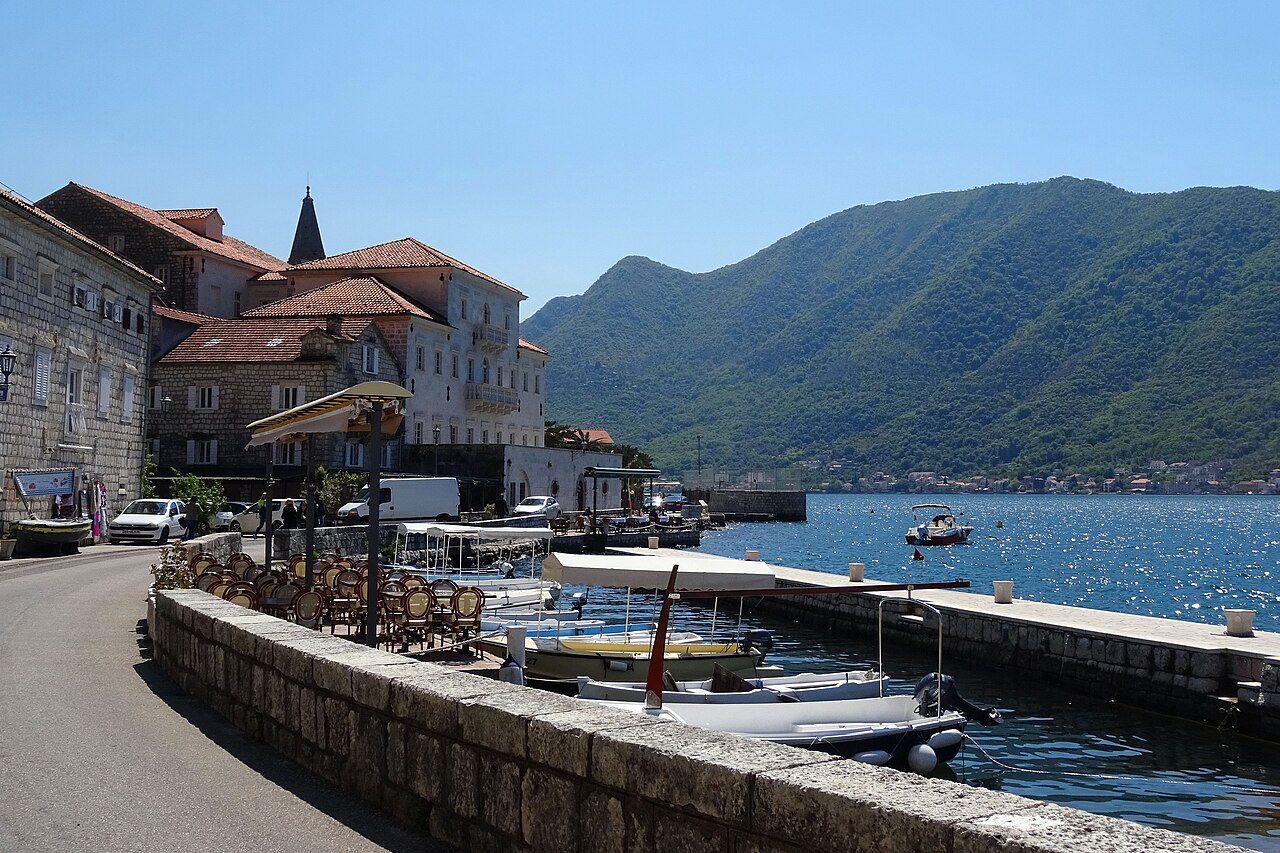
Perast is one of the places where the Bay of Kotor feels unusually quiet, even when the wider coast is busy. Stone façades face the water, small boats leave from the quay and the mountains rise directly behind the village. It is tempting to turn a visit into a quick photograph. The better approach is to leave time for a slow walk, the maritime history and, if conditions allow, a short island crossing.
This guide is for travellers planning Perast independently from Kotor, Tivat or elsewhere on the Montenegrin coast. It covers what is genuinely worth seeing, how to organise a half-day visit, what to confirm locally and how to avoid spending more time in traffic than in the village.
Why Perast deserves its own stop
Perast is small, but its setting tells a big story. The palaces and churches recall the wealth of seafaring families and the Adriatic links of the former Venetian era. The Bay of Kotor's wider historic landscape is recognised by UNESCO for the relationship between settlements, architecture and steep mountain scenery. Perast is best appreciated at walking pace, not from a car window.
Unlike Budva, this is not a classic beach destination. Unlike Kotor, it does not reward a long checklist of attractions. Come for architecture, waterfront atmosphere, island views and a calmer rhythm. Two or three unhurried hours can be more satisfying than a packed full day.
What to see on a first visit
The waterfront promenade. Start with the stone quay and look back at the façades, boats and hills. Walk the village length rather than stopping at the first viewpoint. Details matter: carved entrances, shutters, old stone steps and the way the houses follow the edge of the bay.
The historic palaces. Perast's reputation was built by captains and merchant families. Bujović Palace, associated with the Perast Museum, is a useful reference point when exploring the town's maritime past. Check current museum opening information rather than assuming access on every day.
St Nicholas Church and its bell tower. The church anchors the town's skyline. If the tower is open and you are comfortable with stairs, it can offer a different perspective; access, fees and opening conditions should be verified locally. Even from street level, it is an excellent landmark.
The two islands. Offshore are Our Lady of the Rocks (Gospa od Škrpjela) and St George (Sveti Đorđe). They are not interchangeable. Boat visits generally take travellers to Our Lady of the Rocks, with its church and cultural displays; St George is normally appreciated from the water and is not a standard tourist landing.
How to visit Our Lady of the Rocks
Go to the Perast waterfront and ask a local boat operator about the crossing to Our Lady of the Rocks. The ride is short, but time on the island, return arrangements, admission rules and operating conditions can vary. Confirm the complete price, whether a return trip and any church entrance are included, and when the boat will pick you up.
Allow extra time to explore the island respectfully. It is a religious site as well as a popular excursion, so dress appropriately, follow posted photography rules and keep your voice down during services. In poor weather or on a windy day, a cancelled crossing is not a reason to abandon Perast: the mainland walk alone is worthwhile.
Do not plan the entire day around a fixed online boat fare. Prices, availability, landing arrangements and opening hours can change by season and operator; ask before boarding.
A relaxed half-day Perast itinerary
Morning, first hour. Arrive before the busiest daytime period if possible. Walk along the seafront from one end toward the centre. Pause for photos, study the buildings and enjoy a coffee with a view if you like. Give yourself more time than a single photo stop.
Late morning, second hour. Visit the surroundings of St Nicholas and the palaces. If a museum or tower matters to you, confirm it is open before rearranging the rest of the day.
Middle of the day. Take a boat to Our Lady of the Rocks if operating conditions and your plans allow. Keep your return flexible. Otherwise continue along the promenade and find a quiet table away from the busiest pier.
Afternoon option. Return toward Kotor for a separate old-town visit, or stay for softer light on the bay. Avoid combining an ambitious fortress climb, several museums, a long boat tour and a restaurant reservation into the same short visit.
Getting to Perast from Kotor or Tivat
From Kotor, Perast is around 14 km along the bay road. Driving time can be relatively short outside peak periods, but summer traffic, parking and roadworks make exact arrival estimates unreliable. Taxis, transfers and local bus services may be alternatives to driving; check current stops, timetable and cash or card arrangements before departure.
If you are driving, plan for designated parking rather than assuming you can leave the car directly beside the waterfront. The historic village centre has restrictions and very little space for visitor traffic. Follow local signs and allow time for the short walk into town. Do not rely on a navigation app sending you down a narrow street.
From Tivat, the route depends on the chosen road and local traffic; it is more useful to check the live route on your travel day than to promise one universal journey time. If you are coming from Dubrovnik, factor in potential border delays and avoid an overpacked same-day schedule.
When to visit and when to take photographs
Late spring and early autumn can offer a comfortable balance of daylight and a less hectic waterfront, but weather and visitor numbers vary. In summer, arrive early or linger later; midday brings stronger sun and a busier promenade. Outside the main season, the village can be especially atmospheric, but boats and indoor attractions may operate less frequently.
For natural photographs, try the seafront with the town and mountains in the frame. Look for reflections and small waterfront details rather than only the two islands. Early and late light often helps soften contrasts; if conditions are overcast, the stone architecture still works beautifully.
Where to eat and what to expect
Perast has waterfront restaurants and small cafés, some with memorable views. Choose by the menu, clearly displayed prices and the experience you want rather than simply the table nearest a boat stop. Seafood can be appealing, but it is worth comparing the total bill, service policy and whether a table is reserved for a minimum spend.
For a brief visit, a coffee or light lunch may be enough. For a slower afternoon, sit by the water and leave room for an island trip. Do not promise that any individual restaurant, menu or seasonal terrace will be open without checking.
Perast with children or limited mobility
The waterfront is a more practical family activity than a demanding mountain hike, but stone surfaces, steps and narrow parts of the promenade can be uneven. Some boat landings and historic buildings are difficult for strollers or wheelchairs. Ask the transport operator about access before paying.
For children, the combination of boats, old buildings and a short coastal walk often works well. Bring water and sun protection in summer, and plan a flexible stop if the youngest travellers get tired.
Perast vs Kotor: should you do both?
Yes, if you give them different roles. Kotor is for the fortified old town, dense medieval streets and dramatic mountain views. Perast is for the open waterfront, captain's palaces and a gentle island excursion. A sensible pairing is an early Kotor walk and Perast later in the day, or Perast first when cruise crowds are expected in Kotor.
See our Kotor in one day guide for a realistic route and our day trips from Kotor for alternatives. Travellers seeking beaches and nightlife should give Budva its own day rather than expecting Perast to provide the same experience.
Practical checklist before you go
- •Check boat conditions, the full island transfer price and the return arrangement.
- •Verify church, museum and bell-tower opening times on the day.
- •Keep a parking plan and allow traffic buffer in high season.
- •Bring water, comfortable shoes and clothing suitable for a religious site.
- •Respect residents, private entrances and photography restrictions.
- •Keep a backup plan if weather prevents the boat crossing.
FAQ
Is Perast worth visiting without a boat tour? Yes. The seafront, stone palaces, churches and bay views make an excellent short visit on their own.
How long do you need in Perast? Plan roughly two to three relaxed hours for the town and extra time for the island, meals or museum visits. Treat this as a planning suggestion, not a fixed tour duration.
Can you visit both islands? Tourist boats generally visit Our Lady of the Rocks. St George is usually viewed from the water rather than visited as a regular attraction.
Can you walk from Kotor to Perast? It is not a practical casual village stroll: the distance is significant and parts of the bay road are traffic-oriented. Prefer a suitable bus, taxi, transfer or vehicle.
Is Perast a good swimming destination? It is primarily a heritage and waterfront stop, not a conventional sandy-beach town. Choose the Budva Riviera for a dedicated beach day.
Sources and photo credits
For the UNESCO-listed historic landscape of the Bay of Kotor, see UNESCO. Boat services, museum access, prices and seasonal opening times can change, so confirm practical details locally before your visit.
Photo: Paavo01, “Perast, Montenegro”, licensed under Creative Commons BY-SA 4.0. The Wikimedia Commons photograph is displayed with a cover crop.