Travel Guides
Complete Guide to Montenegro 2026: What to Know Before You Go
Table of Contents
Why Montenegro in 2026?
Montenegro is one of the fastest-growing travel destinations in Europe. With EU accession advancing, new direct flights from major European cities, and a cost of living that remains remarkably affordable, 2026 is the ideal year to discover this Adriatic gem.
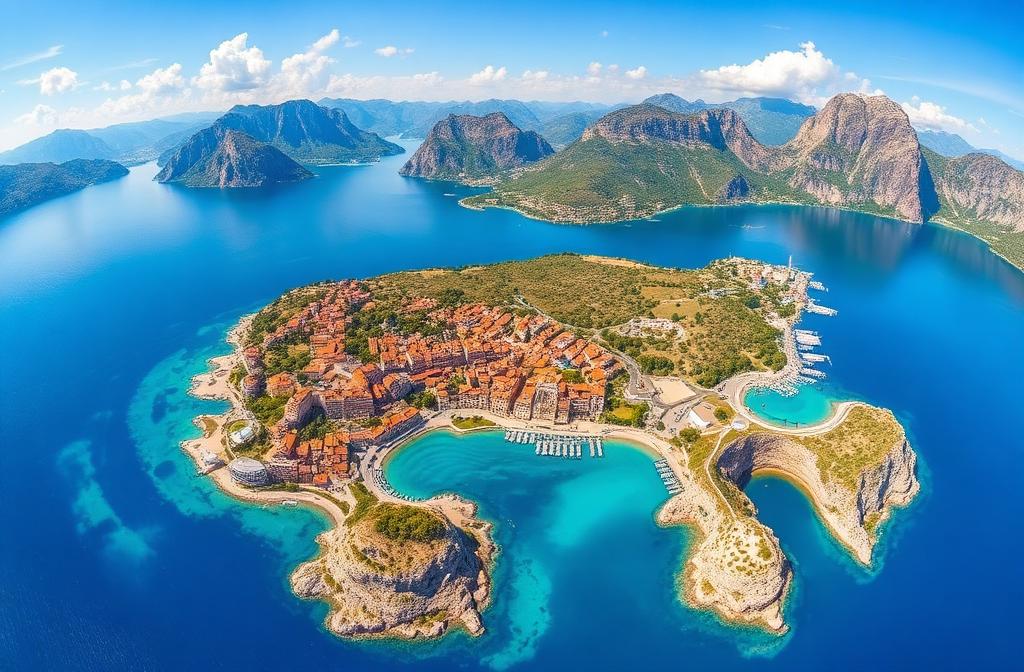
With just 620,000 inhabitants and a surface area smaller than Connecticut, Montenegro packs extraordinary diversity: 293 km of Adriatic coastline, Europe's southernmost fjord (Bay of Kotor), the continent's deepest canyon (Tara, 1,300 meters), five national parks, and two UNESCO World Heritage sites.
Documents and Entry Requirements
EU citizens can enter Montenegro with just a valid national ID card — no passport required. No visa is needed for stays up to 90 days. Montenegro uses the Euro as its official currency since 2002, so there is no need to exchange money.
If you are traveling with pets, you will need a European pet passport with an up-to-date rabies vaccination. Border controls are usually quick, but during July and August, crossings from Croatia (especially Debeli Brijeg) can experience delays.
How to Get to Montenegro
Direct flights operate to Tivat (TIV) and Podgorica (TGD) from London, Paris, Rome, Milan, Vienna, Frankfurt, and other major hubs. Low-cost carriers like Ryanair and Wizz Air offer fares starting from €25 one-way when booked in advance.
By ferry, the Bar–Bari route connects Montenegro to Italy in approximately 9 hours — ideal if you want to bring your car.
By car, driving from Dubrovnik to Kotor takes about 2 hours along one of Europe's most scenic coastal roads.
For all transport options, check our Travel Tools hub where you can compare car rentals, transfers, and more.
When to Visit
Peak season (July–August): Hot weather (30–35°C), perfect sea conditions, vibrant nightlife. Expect higher prices and crowded beaches.
Ideal season (May–June, September–October): Perfect temperatures (22–28°C), fewer tourists, reasonable prices. The best period for hiking, cultural visits, and photography.
Low season (November–April): Great for skiing at Durmitor, exploring mountain villages, and enjoying cities like Podgorica and Kotor without the crowds.
Budget: How Much Does It Cost?
Montenegro offers exceptional value compared to Croatia, Greece, or the Italian coast:
- •Accommodation: Apartments from €35–60/night; boutique hotels from €80–150
- •Meals: Lunch at a konoba €8–15; dinner at a restaurant €20–35 per person
- •Transport: Bus Kotor–Budva €3; car rental from €25/day
- •Activities: Bay of Kotor boat tour €25–50; Tara Canyon rafting €50–70
A realistic daily budget for a couple is €80–120 on average.
Must-Visit Destinations
- •Kotor — UNESCO Old Town, San Giovanni Fortress, stunning bay views
- •Budva — Beautiful beaches, lively nightlife, the iconic Sveti Stefan
- •Tivat — Porto Montenegro superyacht marina, sophisticated dining
- •Durmitor — Epic hiking, Tara Canyon rafting, Black Lake
- •Skadar Lake — Birdwatching, monasteries, wine tasting
- •Podgorica — The capital, Plantaže vineyards, authentic local life
- •Herceg Novi — Mimosa trees, historic fortresses, the Blue Cave
Practical Tips
Renting a car is the most convenient way to explore, though not essential if you stay on the coast. Coastal roads are scenic but narrow and winding. Parking in Kotor and Budva can be challenging in summer.
Mobile internet coverage is excellent. Local SIM cards are affordable and English is widely spoken in tourist areas.
Conclusion
Montenegro in 2026 is the perfect destination for travelers seeking an alternative to overcrowded Mediterranean hotspots. Crystal-clear waters, Mediterranean cuisine, dramatic mountains, and authentic culture — all at better prices and with fewer crowds. Book your flight, explore our destination guides, and start planning your Adriatic adventure.
*Some travel tools may contain affiliate links. If you book through them, GoMontenegroGuide may earn a commission at no extra cost to you.*